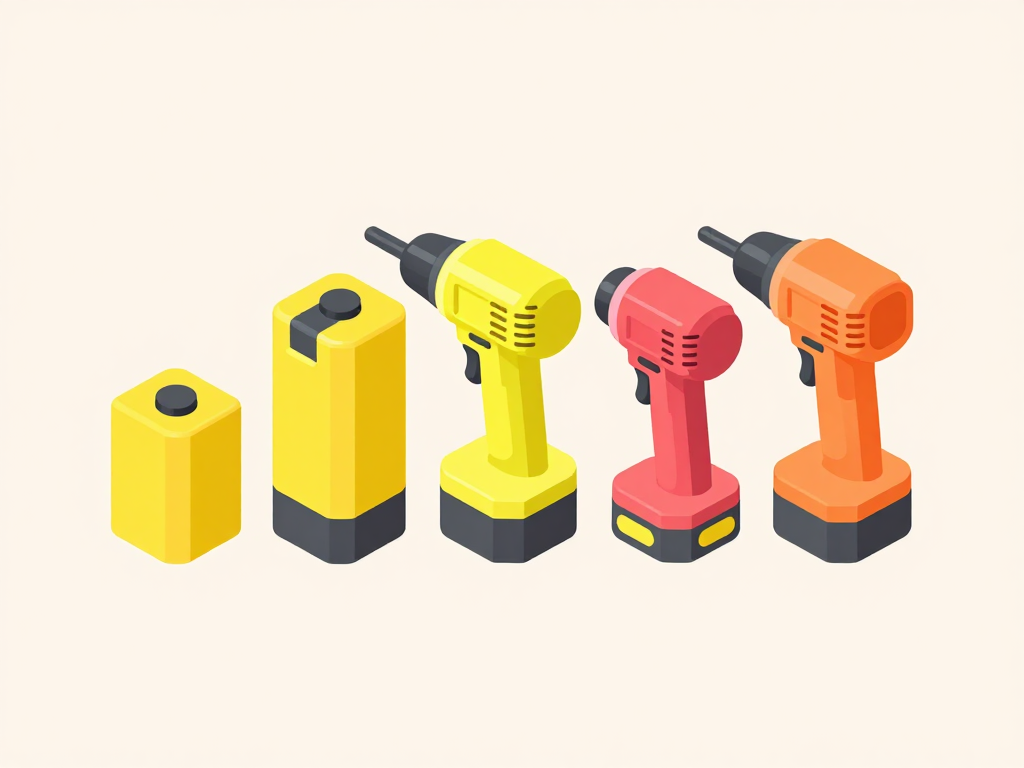
The short answer is no — power tool batteries are not interchangeable between these major brands. Not because any manufacturer publishes a bold “incompatible with Brand X” warning, but because every brand’s own compatibility language stops at its own logo.
That is the part worth understanding. When Milwaukee says “All M18 batteries work with M18 tools and chargers,” it is describing Milwaukee’s M18 platform, not the wider power-tool market. DeWalt says FlexVolt batteries “are compatible with DEWALT 20V MAX power tools,” which again is a statement about DeWalt’s own ecosystem. Craftsman’s V20 System page says V20 batteries are “compatible with all the CRAFTSMAN V20 cordless power tool and outdoor tool lineup,” with “over 100 different products” in the system. Kobalt states its batteries work with “the entire line of KOBALT 24V Max tools” — no other brand mentioned.
The conclusion that none of these batteries swap across brands is not drawn from a direct denial. It comes from adding up what each brand actually claims — always “our tools only” — and noting that no official source anywhere claims cross-brand compatibility. Manufacturers simply do not talk about each other, positively or negatively. So the absence of an interoperability claim, combined with each brand’s narrow self-definition, is itself the evidence.
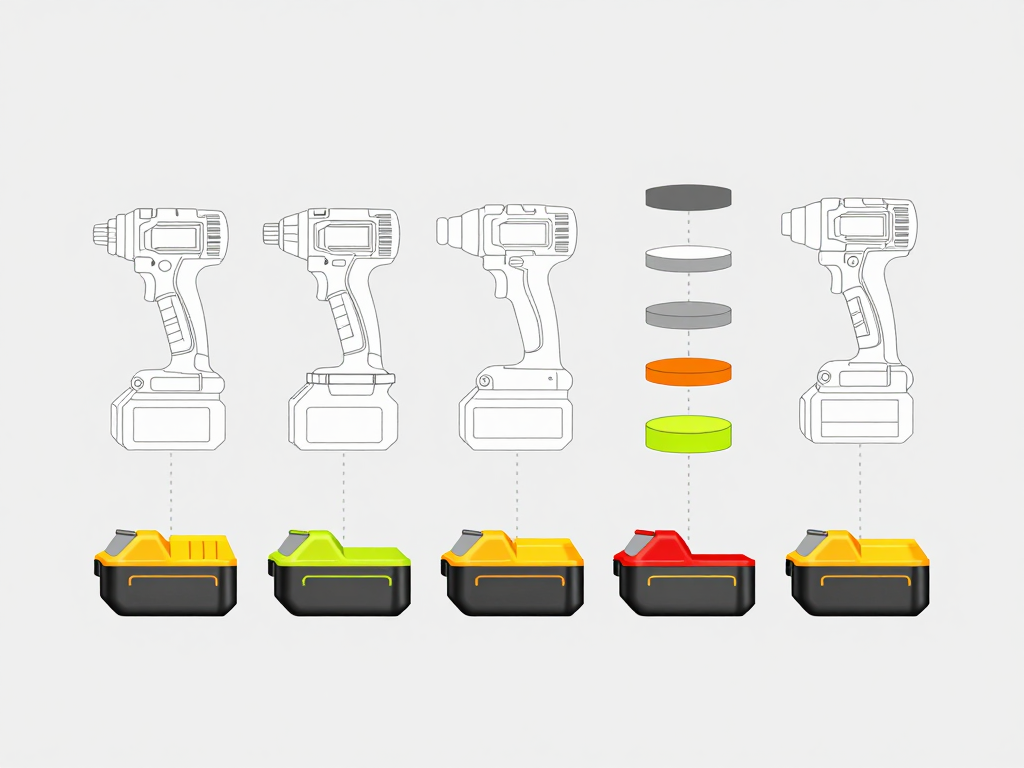
What each brand’s own pages claim
Here is what the brands say about themselves, in their own words:
- Milwaukee: “All M18 batteries work with M18 tools and chargers.” Scope: Milwaukee M18 only.
- DeWalt: FlexVolt batteries “are compatible with DEWALT 20V MAX power tools.” Scope: DeWalt 20V MAX / 60V FlexVolt only.
- Craftsman: V20 batteries are “compatible with all the CRAFTSMAN V20 cordless power tool and outdoor tool lineup,” covering “over 100 different products.”
- RYOBI: The 18V ONE+ collection includes “over 300+ compatible products,” and RYOBI “has never left customers behind with a battery platform that is compatible across products from the last 3 decades.” That last point is unusual — the 2007 shift from NiCd to lithium stayed within the same platform, which is a genuine backward-compatibility win.
- Makita: “The LXT System is the world’s largest compatible 18V slide-style battery system with over 350 solutions.” Scope: Makita LXT only.
- RIDGID: RIDGID 18V batteries are “100% compatible with all RIDGID 18V tools.” RIDGID also offers a Lifetime Service Agreement — register within 90 days for “FREE Parts, FREE Service, For LIFE” — which is a distinctive ownership program not matched by the other brands here.
- Kobalt: Its batteries work with “the entire line of KOBALT 24V Max tools.” Scope: Kobalt 24V Max only.
Notice the pattern. Each claim is inward-facing. No brand says its batteries also fit a competitor’s tools, and no brand says they deliberately block a competitor. They just do not mention competitors at all.
Brand-pair comparison
If you are standing in the tool aisle trying to decide whether a battery from one brand will run a tool from another, the table below covers the pairings most commonly asked about on this site.
| Pairing | Interchangeable? | Why |
|---|---|---|
| DeWalt ↔ Milwaukee | No | Separate proprietary platforms; each brand only certifies its own batteries with its own tools. |
| DeWalt ↔ Craftsman | No | Both market “20V”-class tools, but connector shape and battery electronics differ. Same-sounding voltage does not mean the same battery. |
| DeWalt ↔ Ryobi | No | Different platforms; no official cross-compatibility statement from either brand. |
| DeWalt ↔ Makita | No | Different platforms; no official cross-compatibility statement from either brand. |
| DeWalt ↔ Black+Decker | No | Both are owned by Stanley Black & Decker, but common ownership does not mean shared battery hardware. Treat them as separate systems. |
| Milwaukee ↔ Craftsman | No | Different platforms; no official cross-compatibility statement from either brand. |
| Ryobi ↔ RIDGID | No | Different platforms; no official cross-compatibility statement, despite both being sold at Home Depot. |
| Kobalt ↔ anything else | No | Kobalt states compatibility only with its own 24V Max tools; no other brand is mentioned. |
A few reality checks
Same voltage is not enough. Two batteries can both say “20V MAX” and still be physically and electronically incompatible. The casing shape, the contact arrangement, and the battery management system all have to match the tool. Manufacturers design these systems to be proprietary, which is why the brand’s own page is always the authoritative source — and why those pages only mention that brand’s own tools.
Common ownership does not mean shared batteries. DeWalt and Black+Decker are both owned by Stanley Black & Decker. Shared design language or shared retail shelf space makes business sense; shared battery hardware across distinct product families does not appear to be part of the plan. Neither brand’s own product pages state that their batteries cross over, so this guide treats them as two separate systems, same as any unrelated pair.
Third-party adapters exist, but none are officially endorsed. None of the brands reviewed officially sanctions using their batteries or tools with a competitor’s equipment via a third-party adapter. Adapters are sold independently of any manufacturer. This guide does not take a position on whether a specific adapter is safe or unsafe — only that no brand covered here officially approves of them.
So what should you actually do?
If you want interchangeability, the place to find it is inside one brand’s own platform, not across brands. That is where the real ecosystem play lives. RYOBI’s 300+ ONE+ products, Makita’s 350+ LXT solutions, and Craftsman’s 100+ V20 tools are all examples of staying within one battery family. Buy into the platform whose tools you actually want, and whose battery shape you will not mind seeing in your charger for the next several years.
If you already own tools from two different brands, the honest answer is two battery systems. There is no official shortcut.
How this was checked
Each brand’s claim above comes from that brand’s own current product or system page. RIDGID facts are drawn from powertools.ridgid.com (www.ridgid.com returns HTTP 403 to automated fetches).
Sources checked: 2026-08-11. A new review date will only be set after the linked pages are re-checked.