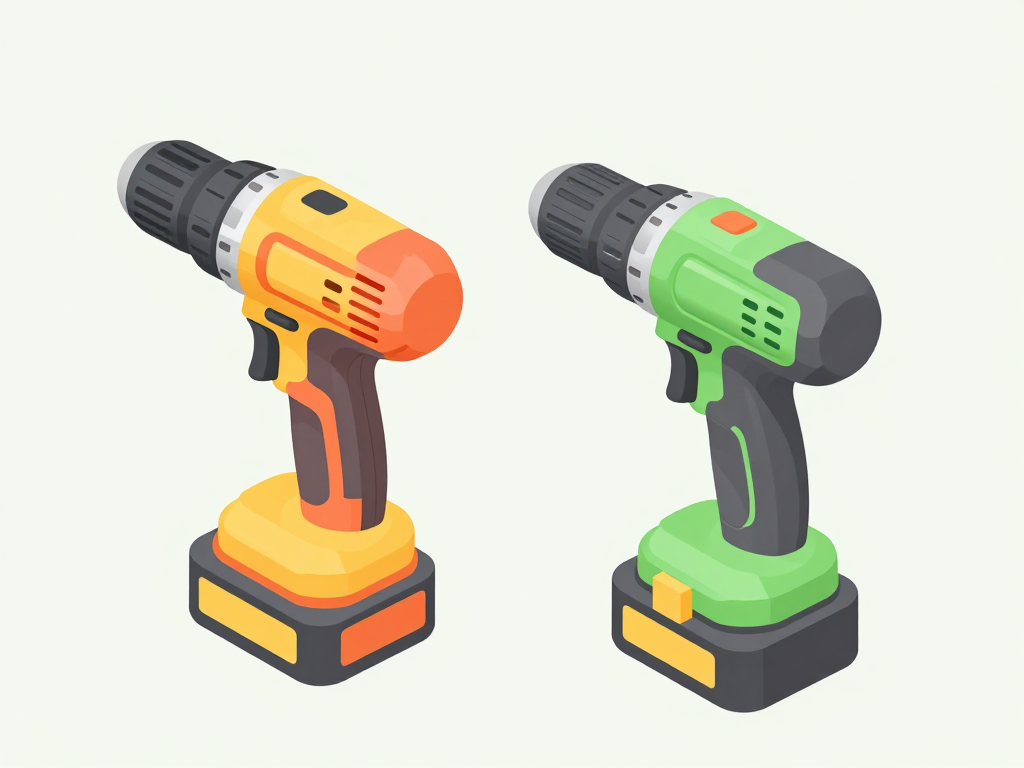
If you skipped straight here looking for the headline: DeWalt 20V MAX and Milwaukee M18 are both 18V-nominal battery platforms. The “20” in DeWalt’s name is a peak-voltage marketing label, not a higher voltage class — and DeWalt itself says so.
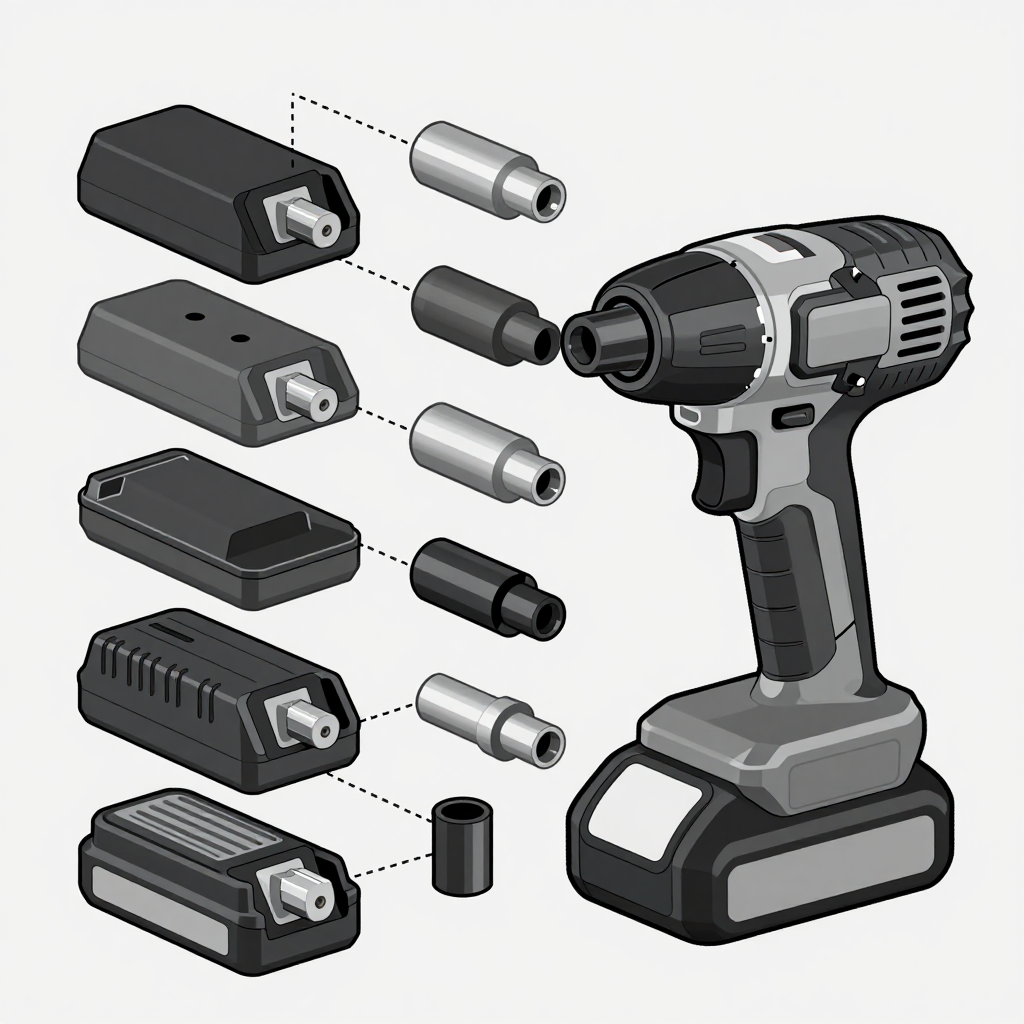
The voltage question is where most “DeWalt 20V MAX vs Milwaukee M18” searches start, so let’s settle it with each brand’s own words. On DeWalt’s DCA1820 Adapter product page, the company writes: “Maximum initial battery voltage (measured without a workload) is 20 volts. Nominal voltage is 18.” In other words, 20V MAX is what the battery reads at rest with no load; the working voltage the tool actually runs on is 18V. Milwaukee’s One-Key Resources materials, meanwhile, state that “M18 tools use M18 REDLITHIUM batteries rated at 18 volts,” with no equivalent peak figure attached to the M18 name. Side by side, the two platforms are the same nominal class; one brand labels the peak, the other doesn’t.
That distinction matters because the “20 vs 18” framing can make DeWalt sound like a step up in raw power. It isn’t, at least not on voltage. Once the peak-vs-nominal distinction is clear, the more useful comparison moves to the tools themselves.
Flagship hammer drill comparison
Each brand’s current flagship compact 1/2″ hammer drill is a reasonable place to look, with the caveat that these are not identical tools tested under identical conditions. DeWalt’s DCD1007B 20V MAX XR Brushless 1/2″ Hammer Drill is listed at “2,100 in-lbs. of MAX torque” with a “1/2 in. Ratcheting nitro-carburized metal chuck with carbide inserts.” Milwaukee’s M18 FUEL 1/2″ Hammer Drill/Driver Kit (2904-22) is listed at “1400 in-lbs of torque” with a “1/2″ all-metal chuck with carbide teeth” and is “Only 6.9″ in length.”
The torque spread is substantial on paper: 2,100 in-lbs for DeWalt’s flagship versus 1,400 in-lbs for Milwaukee’s. That is a real published spec difference and worth knowing. But it is not a controlled head-to-head test. Each company measures and reports torque under its own conditions, and the two drills may prioritize different things — DeWalt raw torque, Milwaukee compact length. Treat the gap as directional, not definitive proof that one drill will outperform the other on your specific work.
Battery capacity and ecosystem
Voltage labels aside, battery range and tool selection usually decide a platform. DeWalt’s 60V MAX System page notes FlexVolt batteries are “available in 6AH, 9AH, 12AH and 15AH.” Milwaukee’s One-Key Resources materials cite named capacities including M18 XC6.0 (6.0Ah) and M18 HD12.0 (12.0Ah). Both ecosystems cover the usual pro categories — drills, impacts, saws, lights, grinders — so the practical difference tends to come down to which brand makes the specific tool you need and how the batteries feel in hand during a full day of use.
One thing worth repeating: the batteries are not physically interchangeable between these two brands regardless of the shared 18V nominal figure. This guide is comparing specs on paper, not claiming you can snap a DeWalt battery onto a Milwaukee tool or vice versa.
Practical takeaway
Don’t choose between DeWalt 20V MAX and Milwaukee M18 based on the “20” vs “18” number — both platforms are 18V-nominal systems, DeWalt just markets its peak voltage figure and Milwaukee doesn’t. The torque numbers (DeWalt’s 2,100 in-lbs vs Milwaukee’s 1,400 in-lbs on each brand’s flagship hammer drill) are a real, useful data point, but they compare each brand’s current flagship model, not a scientifically controlled identical-conditions test — treat it as directional, not definitive. The batteries themselves are not physically interchangeable between the two brands regardless of the voltage-labeling similarity, so the real decision should come down to which platform’s specific tools, ergonomics, and ecosystem fit your work, not the number on the battery.
How this was checked
Facts on this page are drawn from DeWalt’s own DCD1007B 20V MAX XR Brushless 1/2″ Hammer Drill, DCA1820 Adapter, and 60V MAX System pages, plus Milwaukee’s own M18 FUEL 1/2″ Hammer Drill/Driver Kit (2904-22) product page and One-Key Resources materials.
Sources checked: 2026-08-11. A new review date will only be set after the linked pages are re-checked.