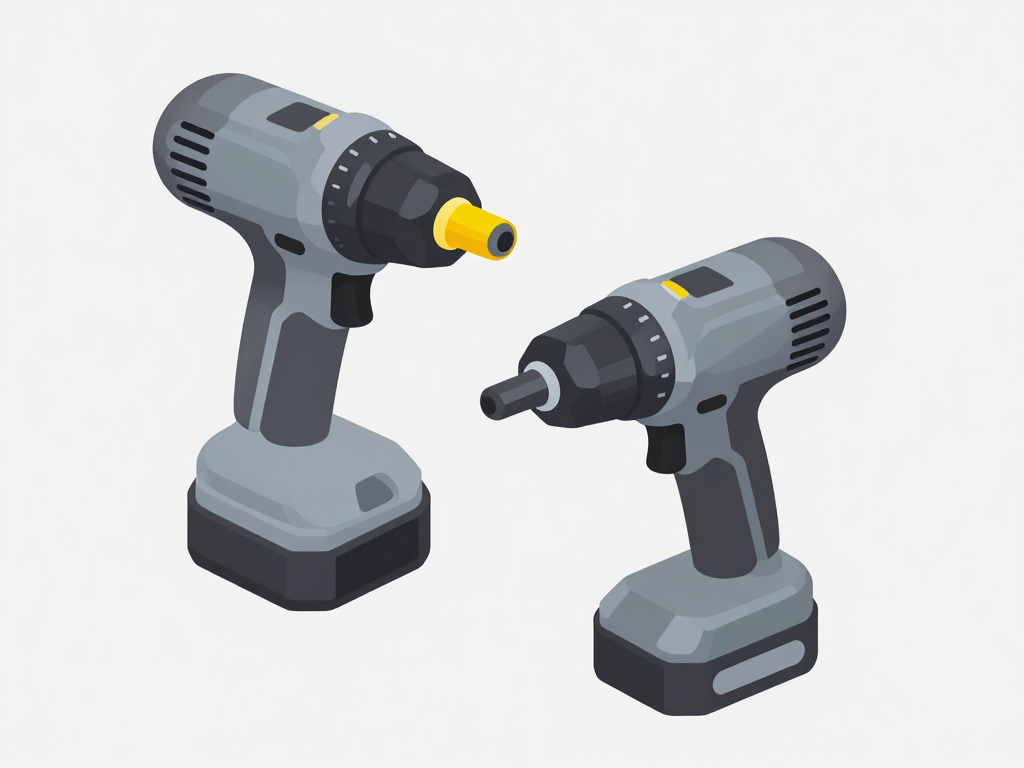
No. DeWalt 20V MAX and RYOBI 18V ONE+ batteries are not interchangeable, and neither brand claims otherwise on its own platform pages.
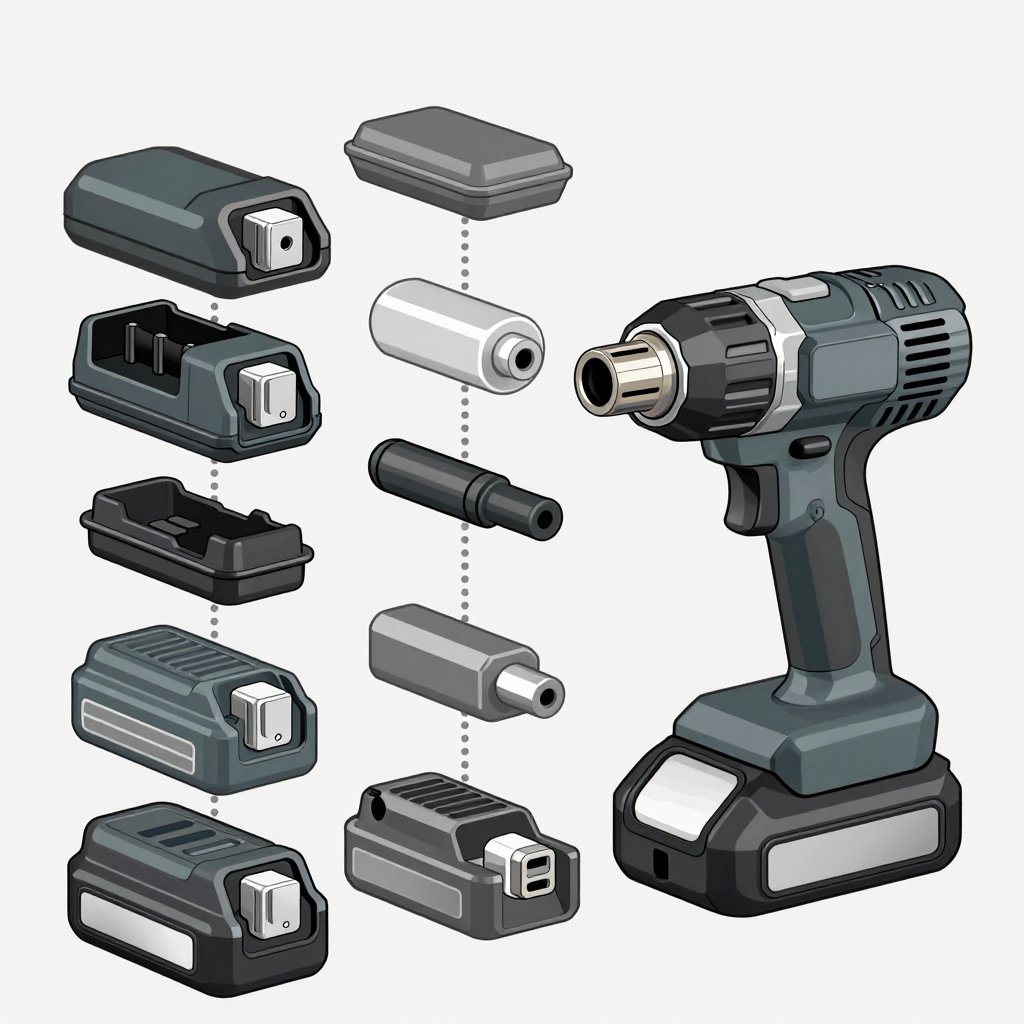
On paper, the voltage math is closer than the names suggest. DeWalt’s DCA1820 Adapter page notes: “Maximum initial battery voltage (measured without a workload) is 20 volts. Nominal voltage is 18.” In other words, DeWalt’s “20V MAX” is an 18V-class platform measured at peak no-load. RYOBI simply calls its platform 18V ONE+, with no separate peak-voltage marketing figure. Both sit in the same nominal class, but that is where the overlap ends.
Each brand’s official documentation keeps its batteries inside its own walled garden. DeWalt’s FLEXVOLT Battery System page says “FLEXVOLT batteries are compatible with DEWALT 20V MAX power tools”—a claim about DeWalt’s own ecosystem, with no mention of RYOBI or any competitor. RYOBI’s 18V ONE+ collection page likewise talks only about RYOBI tools. Neither page acknowledges the other’s existence as a swap partner, which is the real reason the answer is no.
The platforms are also built by completely separate companies. DeWalt is part of Stanley Black & Decker, while RYOBI is owned by Techtronic Industries (TTI). There is no shared-ownership shortcut here that would make cross-brand compatibility likely, the way there is for some other pairings.
What makes RYOBI ONE+ distinctive is its unusual longevity. RYOBI says its first cordless drill, a Ni-Cd model, launched in 1996 and founded the ONE+ platform. Lawn and garden equipment joined in 2003, and lithium-ion arrived in 2007 “while remaining fully compatible with the existing ONE+ platform.” The system “now includes over 300+ compatible products” and, according to RYOBI, is “compatible across products from the last 3 decades.” That is a genuine claim in RYOBI’s favor if you want one battery shape that does not strand older tools when chemistry changes.
RYOBI also splits its own lineup. Its 40V System page describes 40V as a separate system for outdoor power equipment, listing 145 products. So “RYOBI batteries” is not one undifferentiated thing even within the brand; the company itself maintains separate platforms.
Current RYOBI ONE+ HP battery listings show high-capacity options at 4.0Ah, 6.0Ah, and 9.0Ah. DeWalt’s 20V MAX/FlexVolt range covers its own professional-grade tool ecosystem. Both are extensive, but they are extensive separately.
The practical takeaway: matching nominal voltage class is not the same as physical or electrical compatibility. The connector shape, contact layout, and battery-management electronics are all proprietary to each brand, so a DeWalt 20V MAX battery will not fit or run a RYOBI ONE+ tool, and vice versa. If you are choosing between platforms from scratch, RYOBI’s ONE+ line offers an unusually long, chemistry-spanning history—Ni-Cd since 1996, lithium-ion since 2007, all staying compatible with the same platform—which is a real advantage if you want a system that won’t strand old tools. DeWalt’s 20V MAX/FlexVolt system is the more common professional-trade choice with its own separate, extensive tool range. Either way, if tools from both brands are in the mix, budget for two separate battery systems.
How this was checked
Facts on this page are drawn from DeWalt’s own FLEXVOLT Battery System and DCA1820 Adapter pages, plus RYOBI’s own 18V ONE+ collection page, 40V System page, and current ONE+ HP battery product listings.
Sources checked: 2026-08-11. A new review date will only be set after the linked pages are re-checked.